The Mic List: What to Actually Buy at Every Budget
Four tiers of microphones that can record an entire album. Real picks from a working Hollywood studio — no filler, no affiliate links.
The Mic List: What to Actually Buy at Every Budget
Four tiers. Real picks. No filler.
Part 2 of the Recording Smart series — the companion to the 4-Mic Philosophy. If you haven't read Part 1, start there. This list only makes sense with that context behind it.
Every gear list on the internet is either written by someone trying to sell you something or by someone who has never actually recorded a full album with the gear they are recommending. This one is neither.
Everything on this list has lived in my locker at Boulevard Recording, passed through my hands on real sessions, or been shot out against what I already own. The goal is straightforward: four to six microphones that can record an entire album — drums, vocals, acoustic guitar, electric guitar, bass, piano — without you ever feeling like you are missing something.
Four tiers. Each one is a complete, functional kit. Start where your budget lands and build toward the next level when you are ready.
The mics I reach for every day are not exotic. They are just very good at a lot of things. That is the only criterion that matters when you are building a small kit.
Before the List
Every tier is built around the same structure from Part 1: a pair of your best all-purpose condenser as the foundation, a ribbon for color and character, and one or two dynamics for the things condensers cannot do as well. The pair does the heavy lifting — overheads, vocals, acoustic guitar, piano, room. The ribbon and dynamics handle specific jobs and add dimension.
One thing that does not appear on any of these tiers: a Shure SM57. Not because it isn't useful — it absolutely is, on snare top, guitar amps, percussion — but because you almost certainly already own one. If you don't, buy one now for $99 and treat it as infrastructure, not a mic choice.
Same goes for your room. Treat it before you buy anything on this list. A great mic in a bad room records a bad room. Moving blankets from Home Depot will get you there if budget is tight. Dead is always the right direction when you are starting out.
This is what I would build if I were starting from scratch and money was not the deciding factor. Two of the most versatile microphones ever made, a ribbon that outperforms everything in its class, and a dynamic that handles kick and bass without flinching. This kit can record anything.
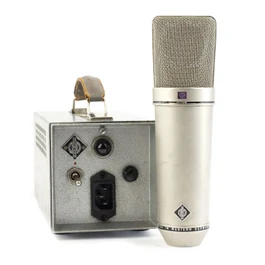
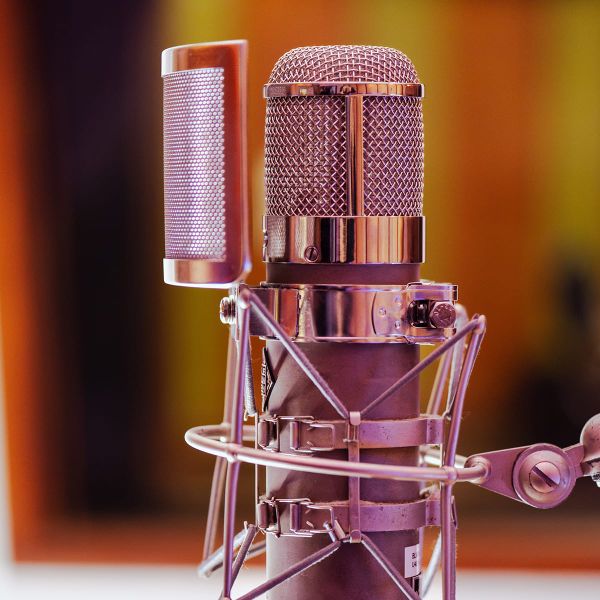
The most versatile studio microphone ever made, in my opinion. A pair of U67s can cover your entire session — top and side overheads on drums, both vocal mics, acoustic guitar, piano, guitar amp. Whatever you point them at, they make it sound better. The voicing is just right for almost everything: full, fast, and musical without being heavy-handed. I would rather have two of these than twenty of anything else.
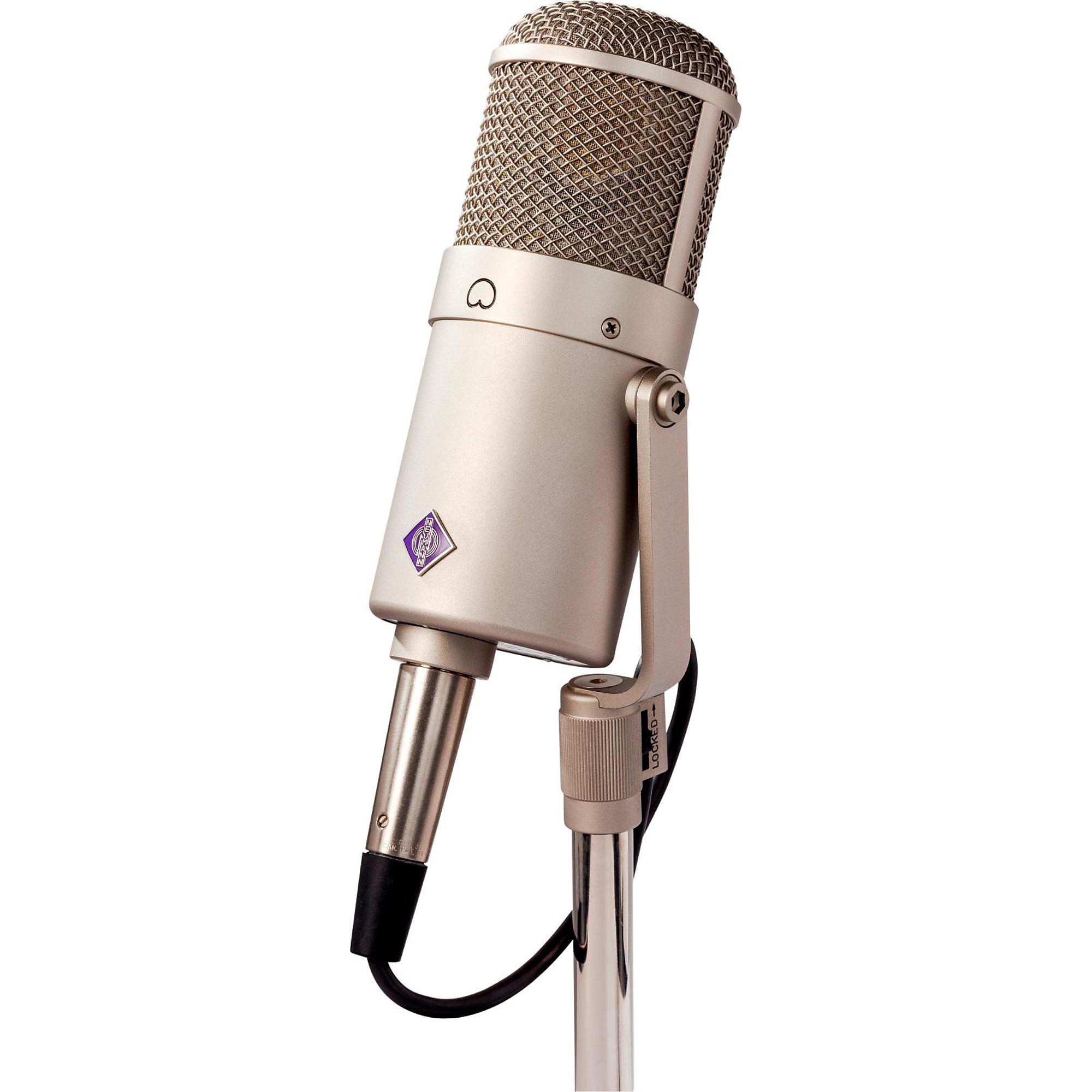
Sits in a different place than the U67 — more aggressive, more forward, handles high SPL without flinching. Great on kick drum, bass cabinet, loud guitar amps, and as a second vocal option for a voice that needs presence rather than warmth. Flexible enough across sources that it earns a permanent spot on the stand.
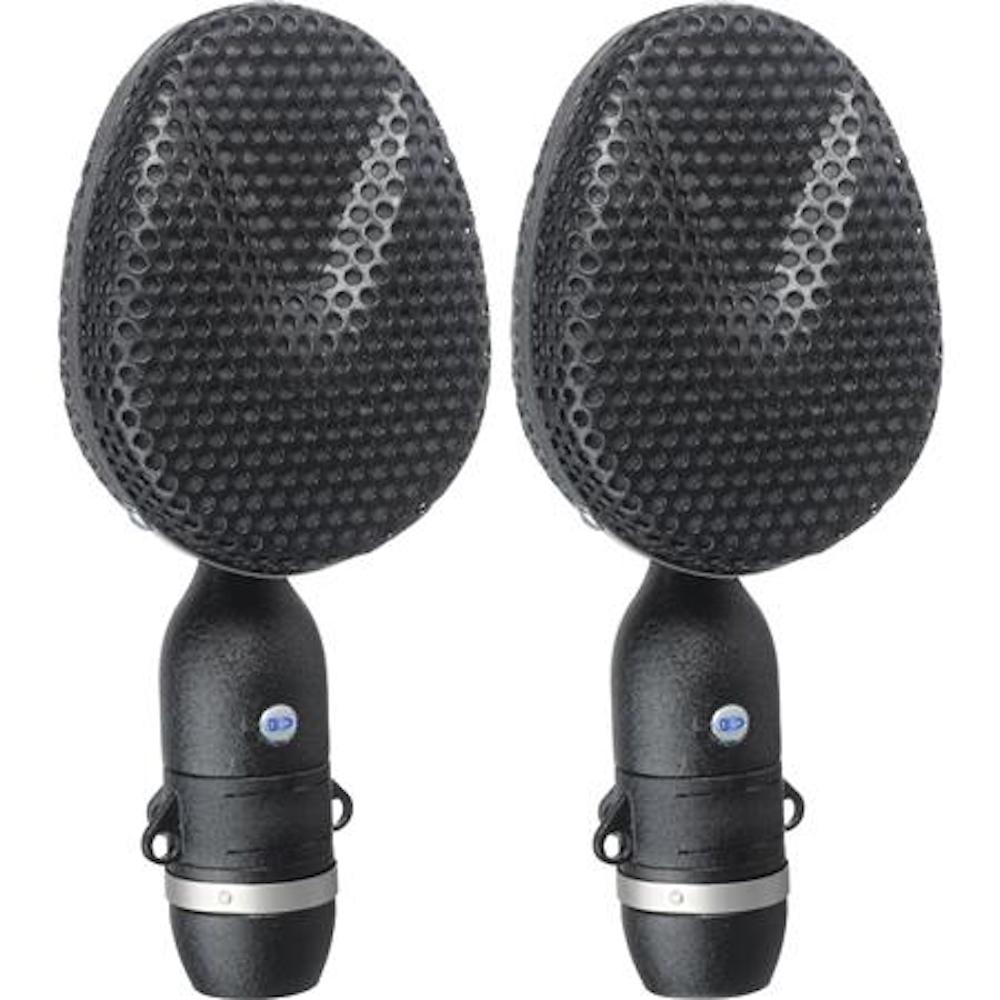
The best ribbon microphone made, and it's not close. Figure-8 pattern, dark and full, adds dimension and depth to anything you put it on — guitar amps, room, acoustic guitar, snare bottom, brass. I run a 10dB shelf boost at 10kHz on mine, which every ribbon benefits from. The 4038 was all over Led Zeppelin sessions and it still sounds like nothing else. Once you hear what it does to a guitar amp you will not reach for anything else.
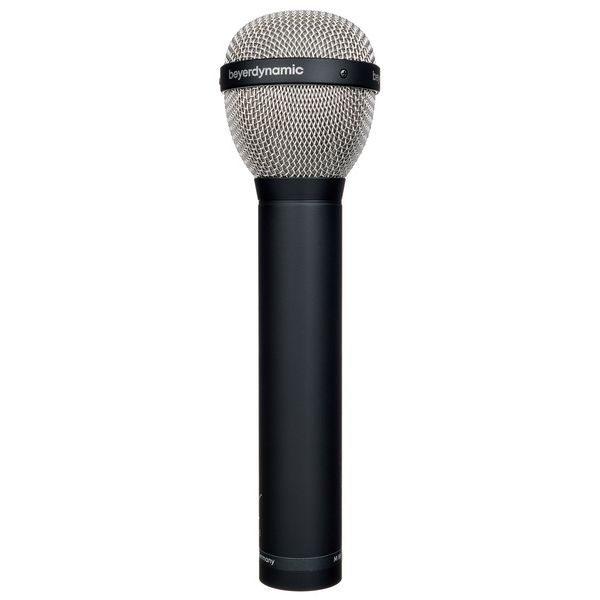
My current favorite kick drum microphone. It does everything the AKG D112 does and several things it cannot — notably bass cabinets, where the D112 is essentially useless. The M88 handles the low-end grunt of a kick without getting muddy and translates well to bass amp duty too. Relatively inexpensive for the quality. The original D12 and D20 are exceptional but have gotten expensive; the M88 is the honest answer for someone building a kit today.
This is where most serious home recorders should be aiming. Every mic here has been in active use at Boulevard — not as a backup, as a first choice on certain sources. The U67 alternatives listed below are not compromises. A few of them are genuinely excellent microphones that I reach for on their own terms.
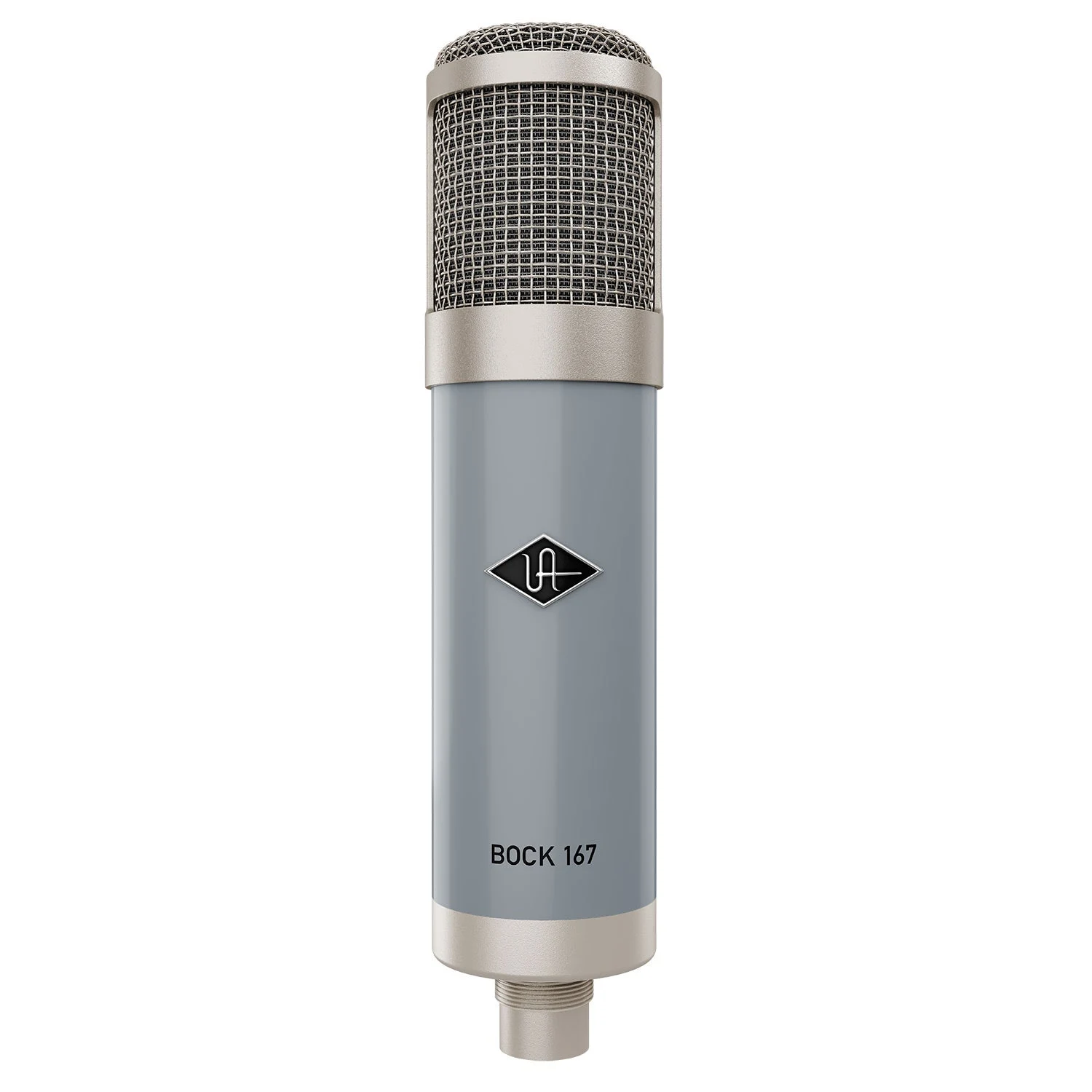
David Bock makes extraordinary microphones, and the 167 is his top-of-class large diaphragm tube condenser. It sits in U67 territory without being a clone — has its own character, very musical, works everywhere. If you want the best new-production tube mic you can buy for home studio use, this is the answer. Build a pair over time.
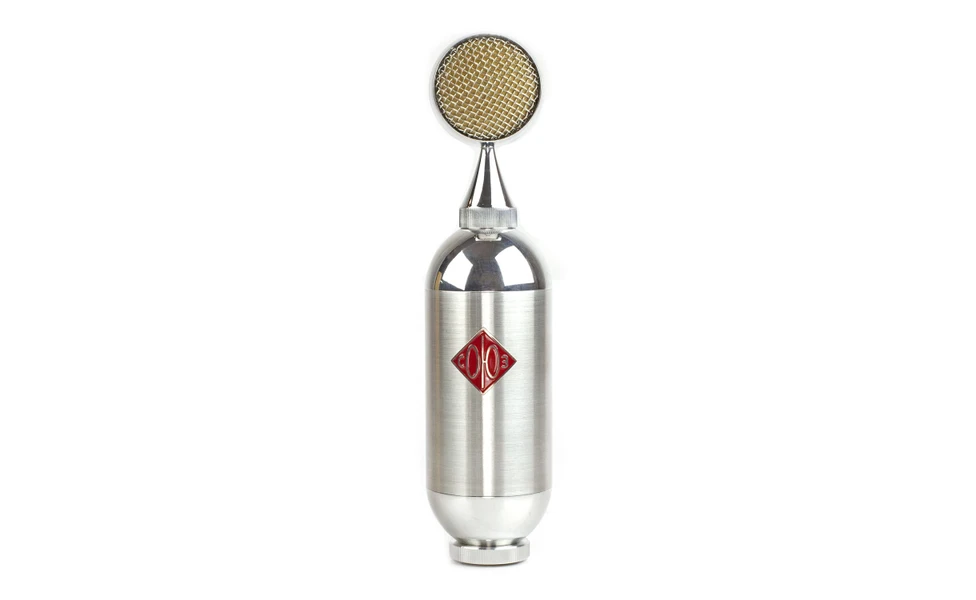
Small form factor, surprisingly large sound. Handmade, transformer-balanced, and it has a warmth and density that most mics in this price range do not come close to. Works beautifully on vocals, acoustic guitar, and as an overhead. If your budget for a condenser pair sits around $3,000 total, two of these is a legitimate answer.
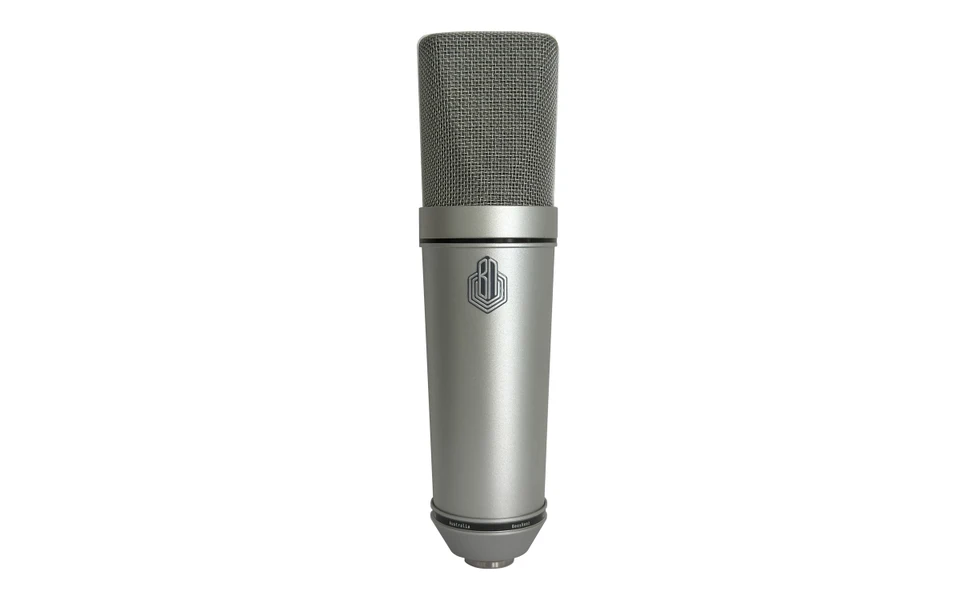
Australian-made, legitimate tube mic, genuinely in the neighborhood of U67 character without the U67 price. I have used this on vocal sessions and it performs. At this price point it deserves far more attention than it gets. If you can only find one to start and want to build toward a matched pair over time, this is a reasonable path.
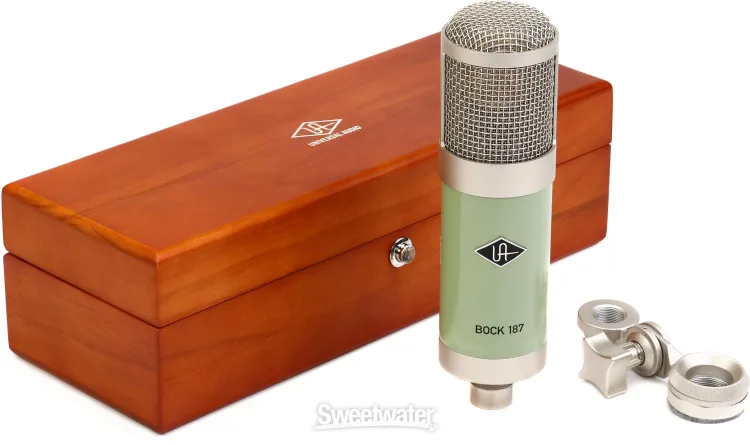
David Bock's design, built with UA. FET-based, clean and detailed, works especially well on acoustic guitar and as an overhead pair. More transparent than the 167, which makes it the right tool when you want the source to speak for itself. At this price, strong value.
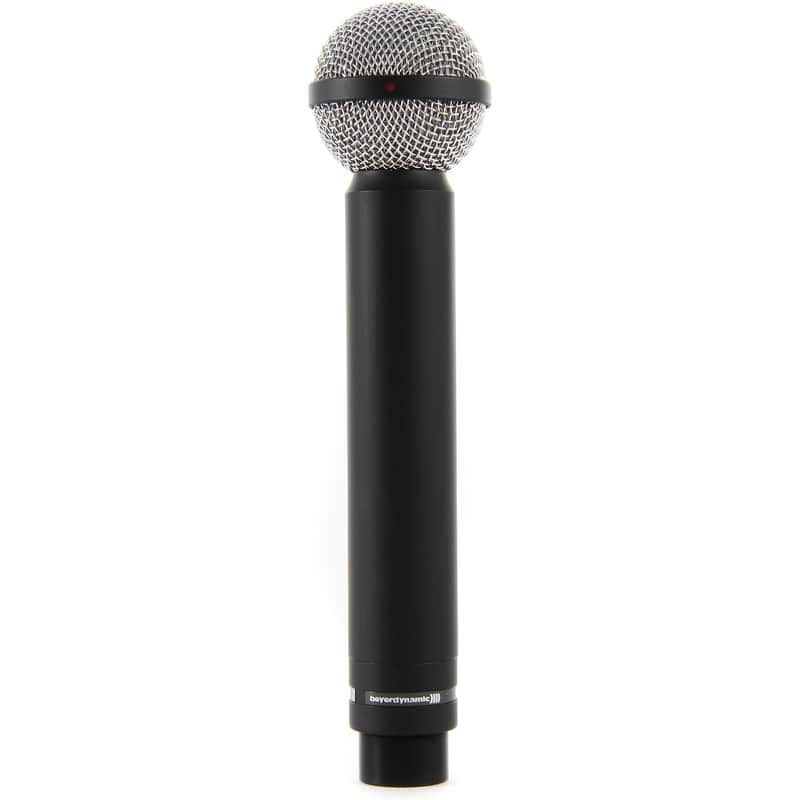
My favorite non-condenser guitar amp microphone, full stop. It's a ribbon with a hypercardioid pattern — smaller image than the Coles, tighter pickup, but what it does to a guitar amp is remarkable. Used by Glyn Johns on Bonham's drums and on countless other sessions, and it still works on everything it touches. If someone tells you a Royer 121 is better, they have watched too many YouTube videos. I would take an M160 seven days a week. Add ribbon EQ — boost around 10kHz — and it sings.
Same recommendation as Tier 1. Kick drum, bass cabinet. You do not need to spend more than this to cover those sources well.
This is where you can build a kit that punches well above what most home studio recordings actually sound like. The key at this tier is choosing things that do double and triple duty — a large diaphragm condenser that handles vocals, overheads, and acoustic guitar, plus dynamics that earn their keep on more than one source.
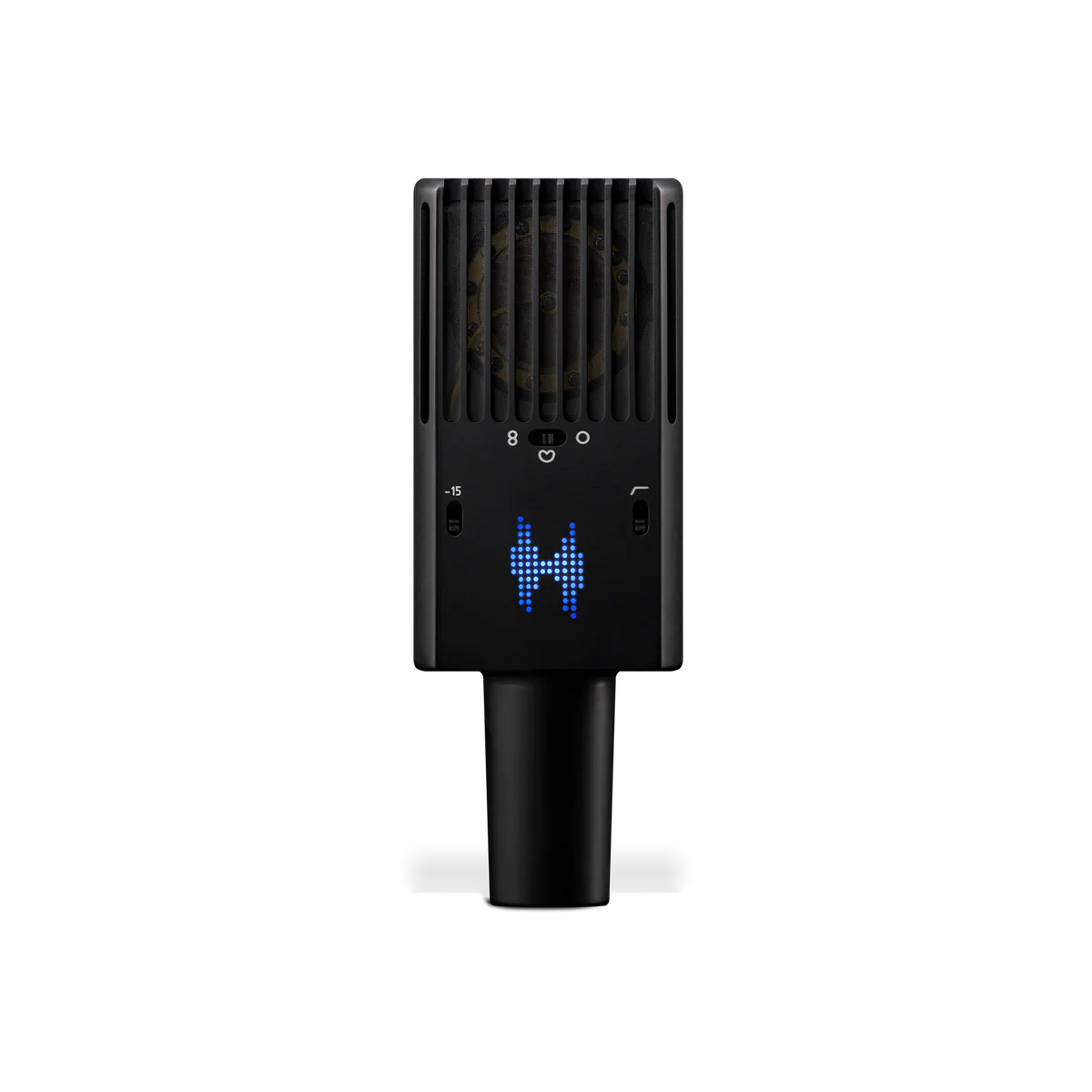
This is the steal of this entire list. FET-based condenser with a KK47 capsule — based on the same Neumann design that's in the U47. Transformer-free, which means it is cleaner and faster than the original, but it retains that characteristic Neumann warmth and body. I almost always have a pair of these on stands at Boulevard. They are not a budget compromise; they are a legitimate tool that sounds extraordinary on vocals, overheads, and acoustic guitar. At $1,000 each, building a pair for $2,000 is one of the best investments in this entire price range.
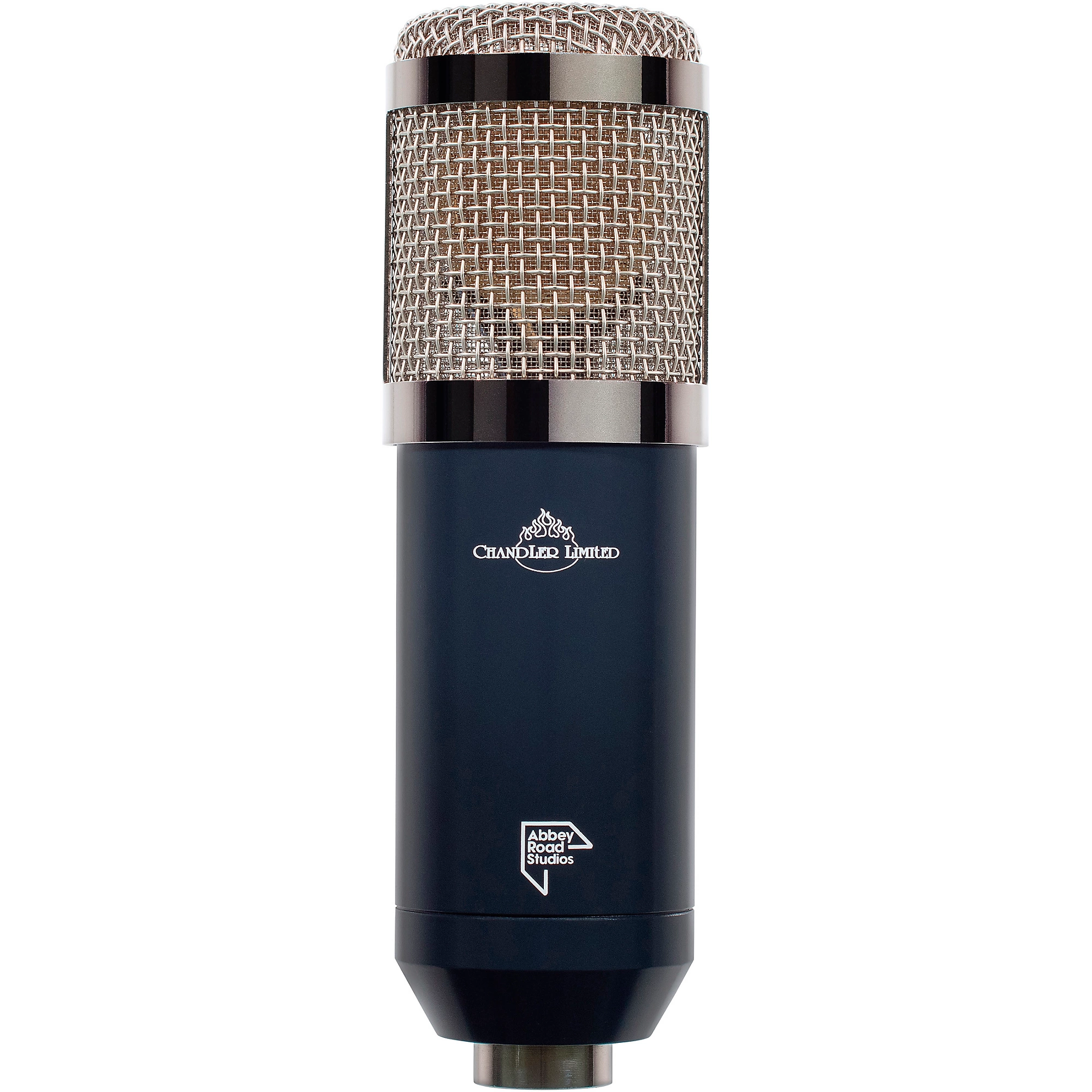
A U67-type mic with some added character from the Chandler transformer. Warm, full, musical — it's not a clinical mic, and that's the point. At under $800 it gives you transformer color and vocal warmth that you would normally pay two or three times as much for. Solid anchor mic for this tier.
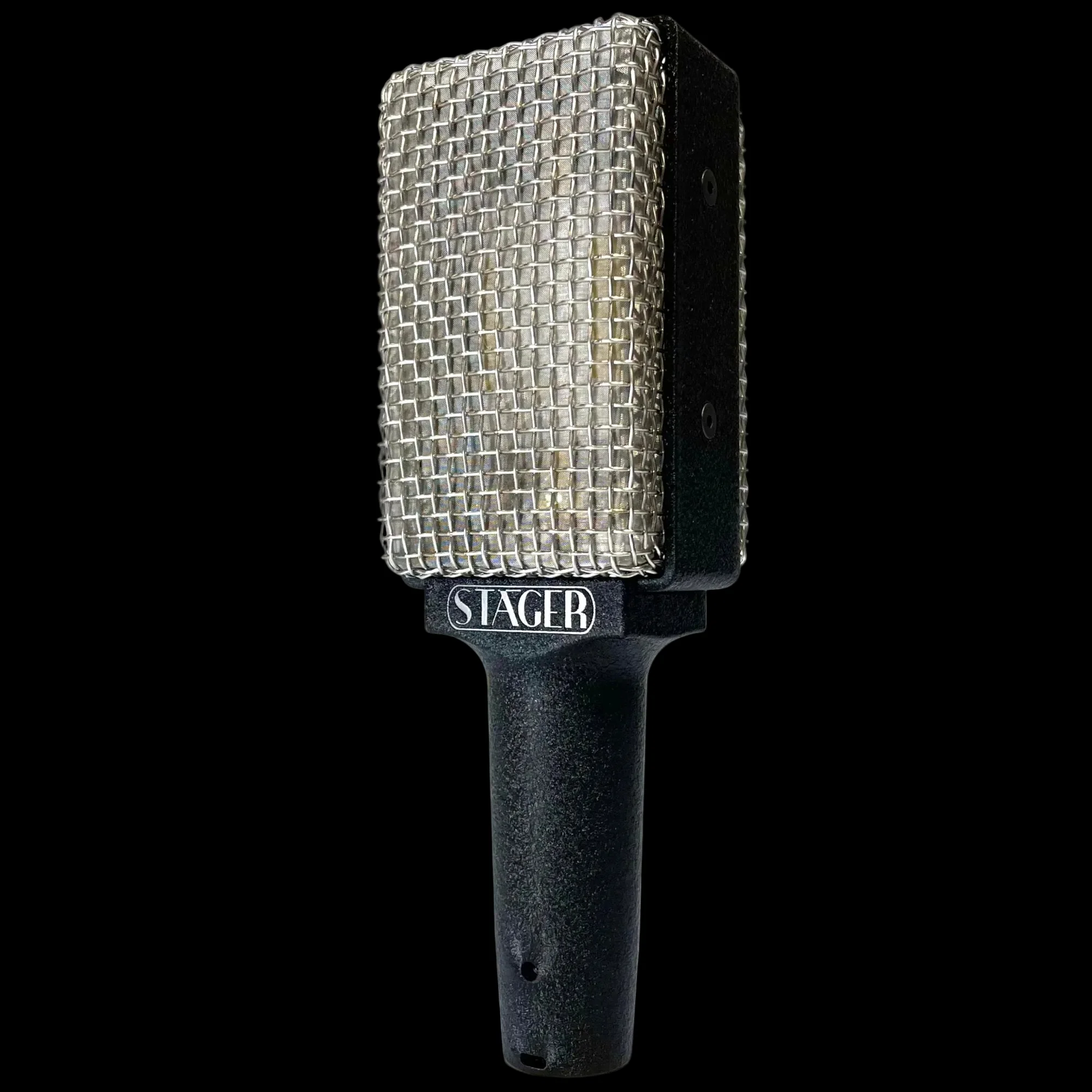
If the Coles 4038 is out of reach at this tier, the Stager pair is the honest ribbon recommendation. You will need to add some EQ — all ribbons benefit from a high shelf boost, and these more than most — but they respond well to it and the result is genuinely useful. Figure-8 pattern, solid build, gets you ribbon character on guitar amps and room at a reasonable price. Start with the EQ on from day one.
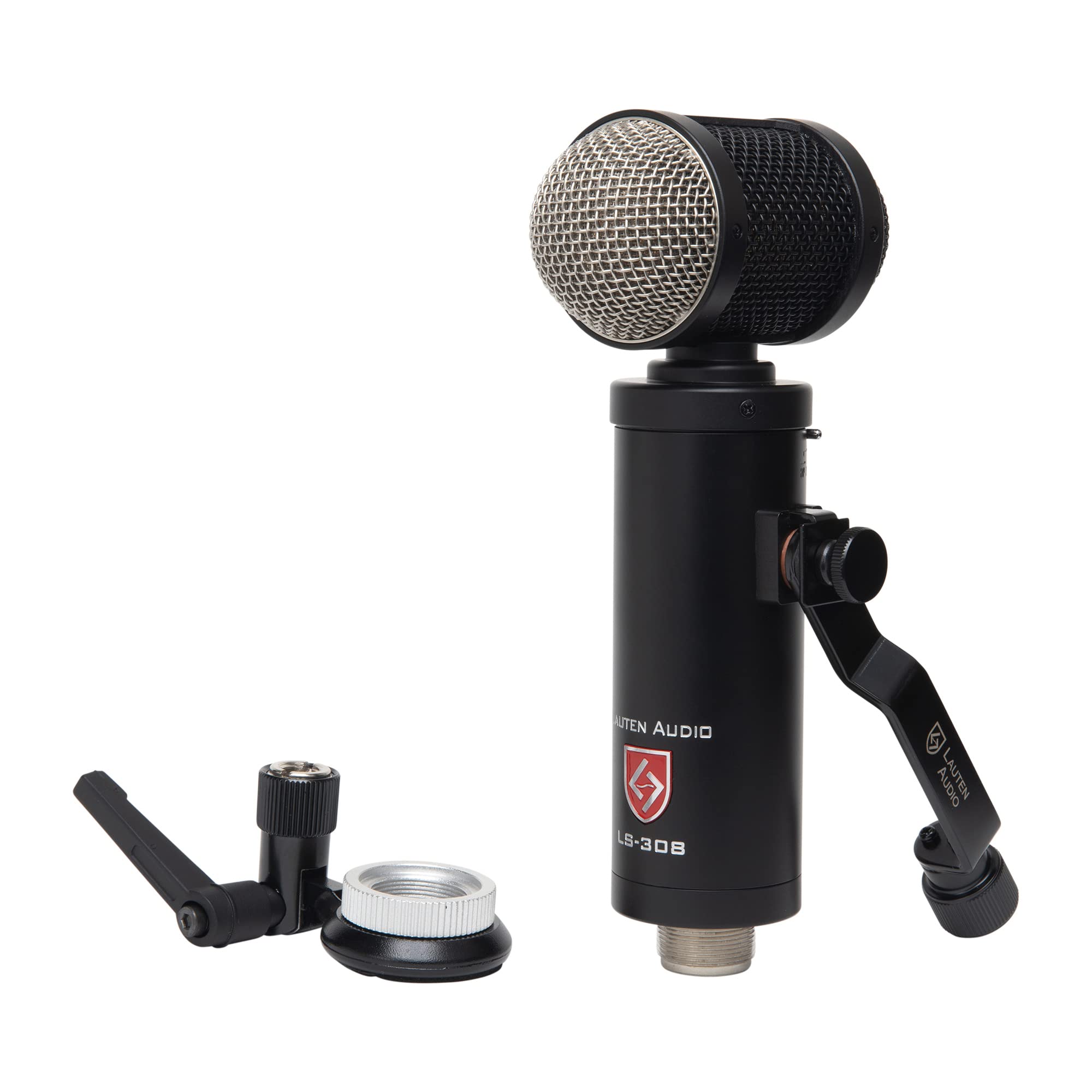
A designed-for-kick-drum mic that actually delivers what most kick mics promise. Captures both the in-mic punch and the out-mic air in one package, which saves you a second mic and a phase relationship to manage. At this tier it is the right answer for drums — it does not try to do other things, but what it does for kick it does extremely well.
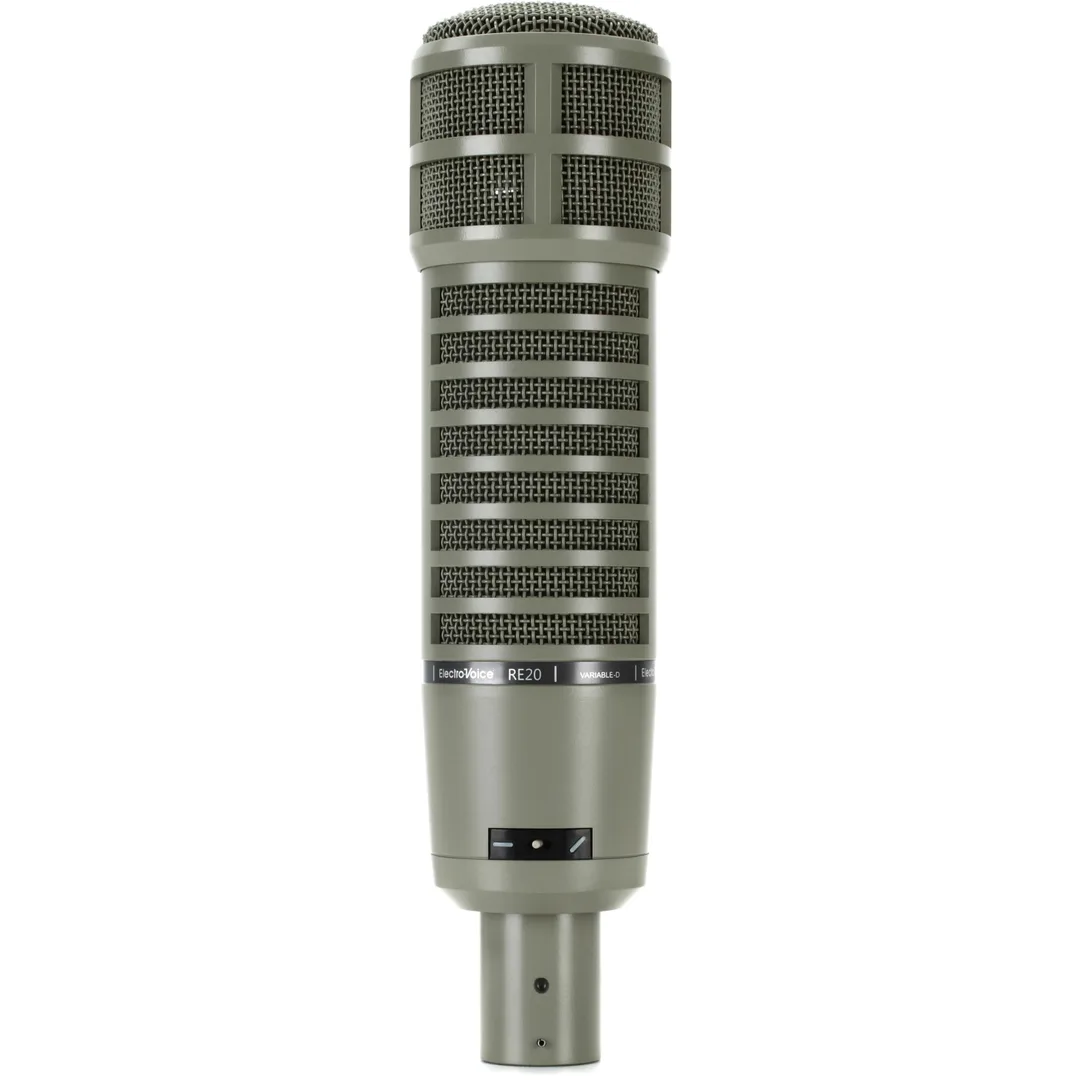
The broadcast standard that also happens to be a solid recording dynamic. Works on bass drum, bass cabinet, and as an alternative vocal mic for voices that need body over air. Most people already own an SM7 — if that's you, you may not need this. But if you are building from scratch and want one dynamic that covers bass sources and deep-voiced vocals, the RE20 earns its place.
These are not anchor mics. They are the things you add once your core kit is solid, when you need a specific tool for a specific job.
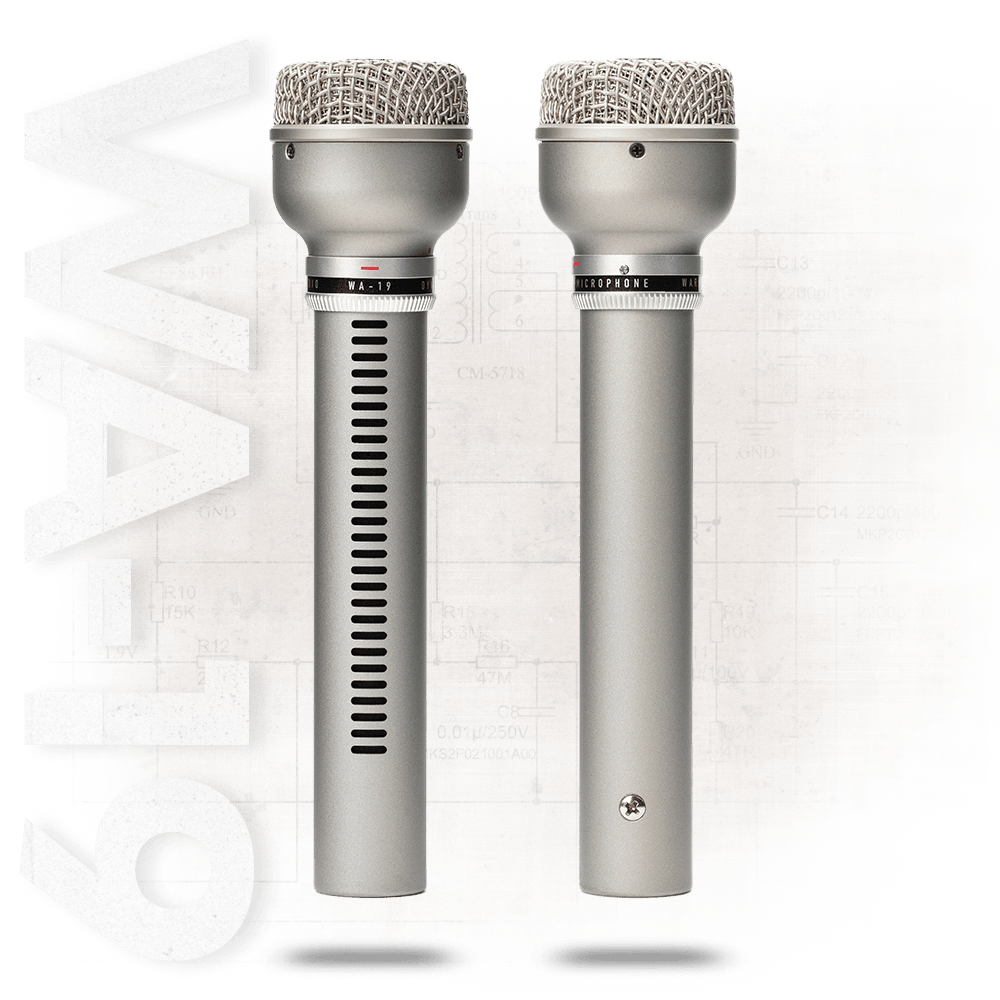
I shot these out against my real D19s — the original Beyerdynamic M19, a classic utility dynamic that has gotten expensive. The Warm D19s are not as pretty. But they are in the same sonic neighborhood, and for $199 each they are a legitimate pair of utility dynamics to have on stands. Tom mics, acoustic instrument spot mics, anything you need covered without putting your main mics in an awkward spot. At this price there is no reason not to have them.
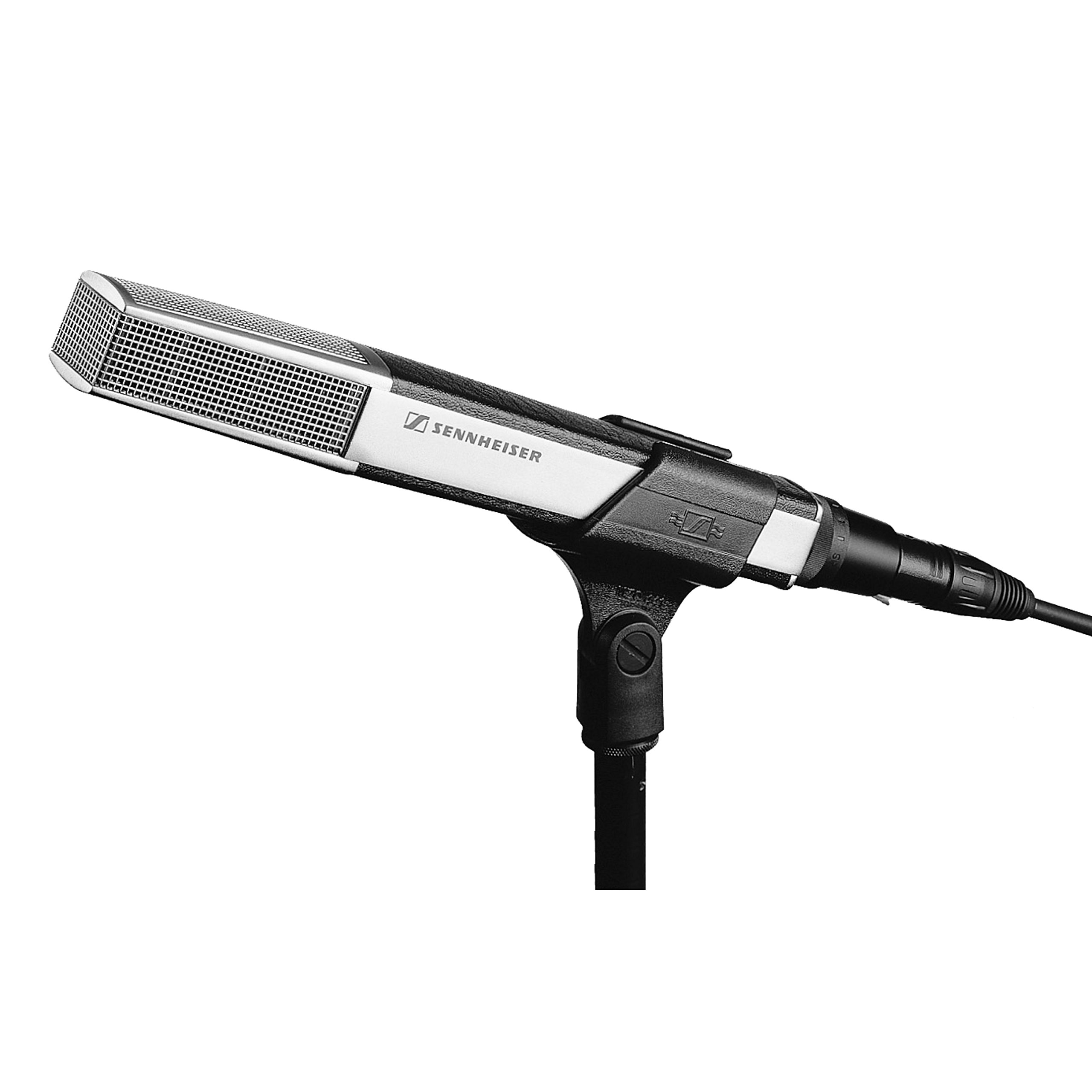
The 441 is a different animal from the 421 — tighter polar pattern, much better off-axis rejection, which makes it useful in situations where bleed is a problem. Snare top when the hi-hat is loud, piano as a mono spot mic, live vocal in a room with a lot of bleed. Do not confuse it with the MD421 — completely different microphone, completely different application.
What Not to Buy
Sennheiser MD421 (current production). The vintage white-body 421s that show up on Reverb can still be worth finding — they have a character the current versions do not. Current production 421s: I would not recommend them for anything, and especially not for toms, which is where everyone seems to put them.
AKG C414 as your workhorse condenser. Good microphone. The older versions are genuinely better than what's made today. But I would not build a home studio around one as a primary mic — it does not do any single thing well enough to justify being the mic you reach for on everything. Use it for secondary sources if you already own one.
AKG D12VR. Does not sound like a D12. The original D12 and D20 are exceptional kick drum mics that have gotten expensive. The VR is not a substitute. The M88 is.
Royer R-121 as your primary guitar amp ribbon. It works. It's fine. But a Beyerdynamic M160 outperforms it consistently on guitar amp and costs less. Spend your ribbon budget on an M160 or save for a Coles.
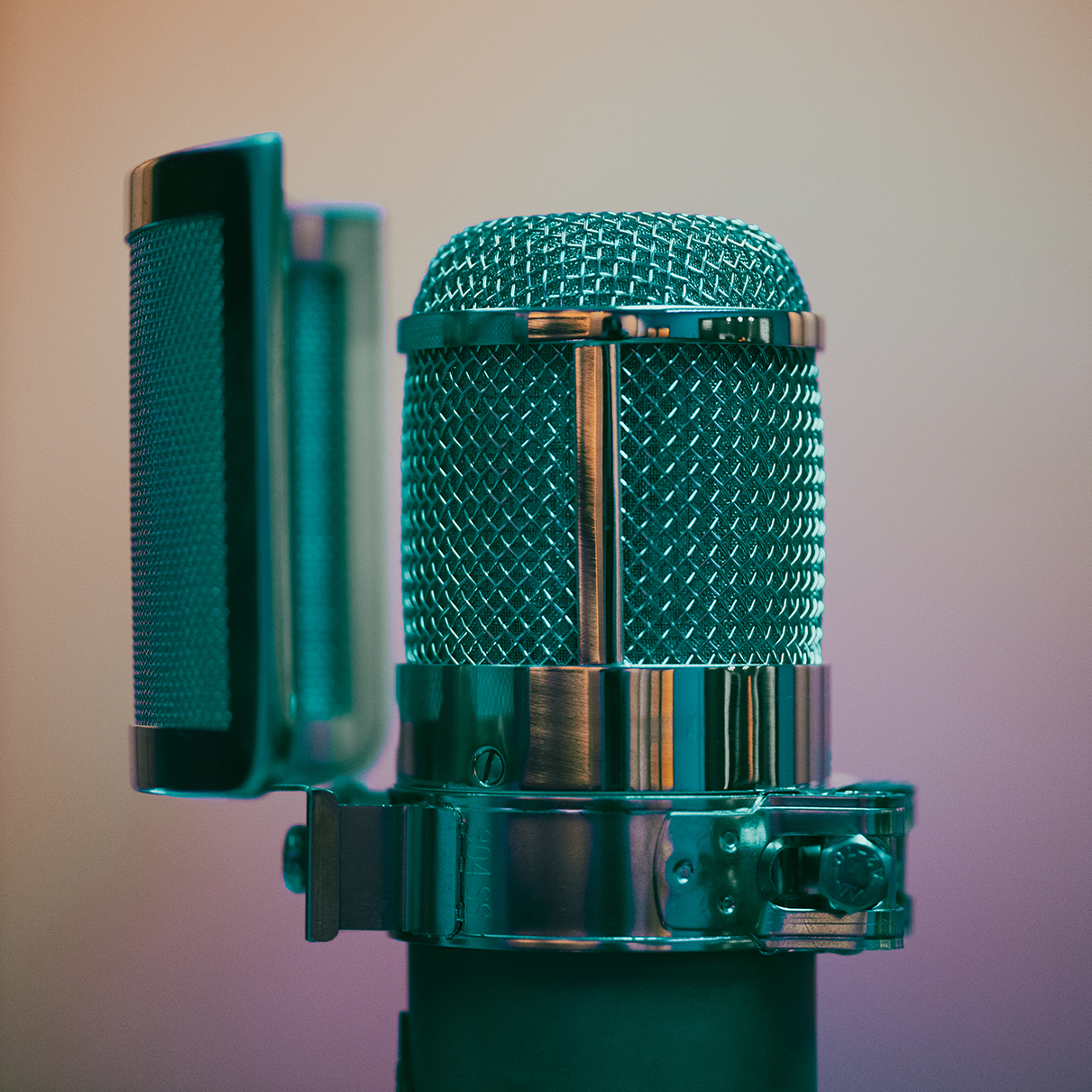
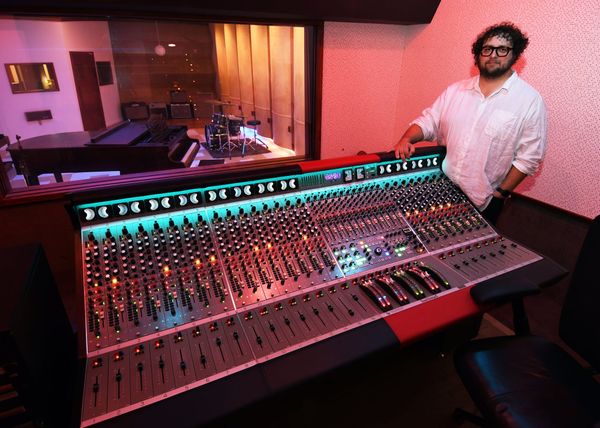
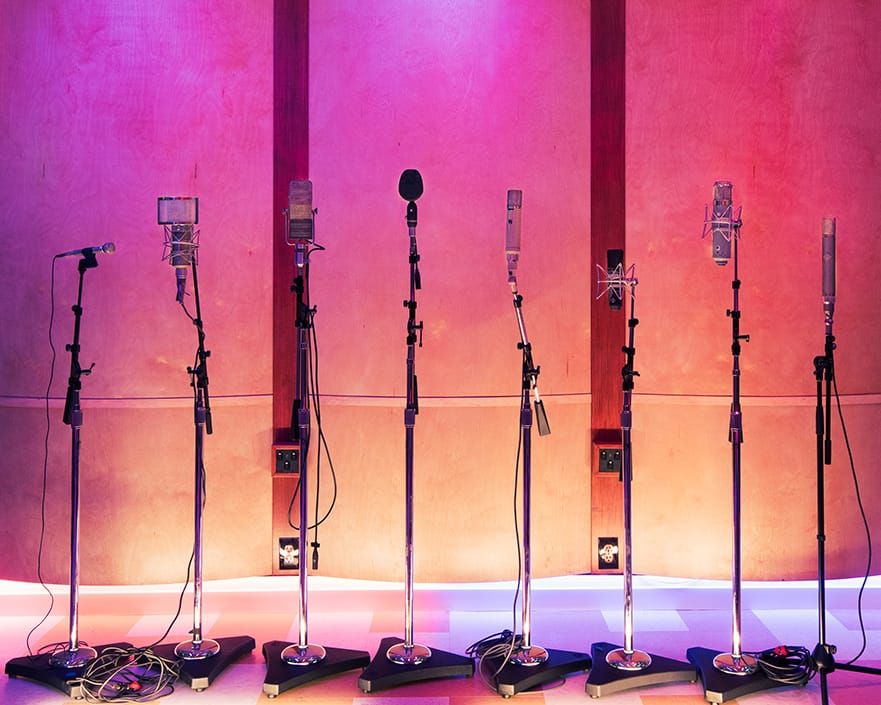
A session setup at Boulevard. Every mic earning its place.
The list above is not exhaustive and prices will shift. What will not shift is the underlying principle: know what each microphone is doing and why it is there. If you cannot answer that clearly, you probably do not need it yet.
Part 3 of the Recording Smart series covers how to set these up — placement, phase, and getting a Glyn Johns overhead setup working in a room that was not designed for it.
Questions about your specific situation?
Clay Blair has been recording, producing, and mixing at Boulevard Recording in Hollywood since 2010. If you are trying to figure out where to spend your mic budget, he has heard every version of this problem and can help you think it through.
Call: 323-337-6911
Email: jaymes@boulevardrecording.com
One room. One client at a time. One focus: your music.